The long-awaited response to the Future Homes Standard (FHS) consultation has now been released, setting a clear and definitive framework for the decarbonisation of newly constructed homes in England.
This milestone marks a significant step forward in the UK’s journey towards net zero, fundamentally reshaping how new homes are designed, built, and assessed for energy performance.
A Shift Away from Fossil Fuels
At the core of the Future Homes Standard is a decisive move away from fossil fuel-based heating systems. New homes will instead rely on low-carbon technologies, with heat pumps and heat networks positioned as the primary solutions.
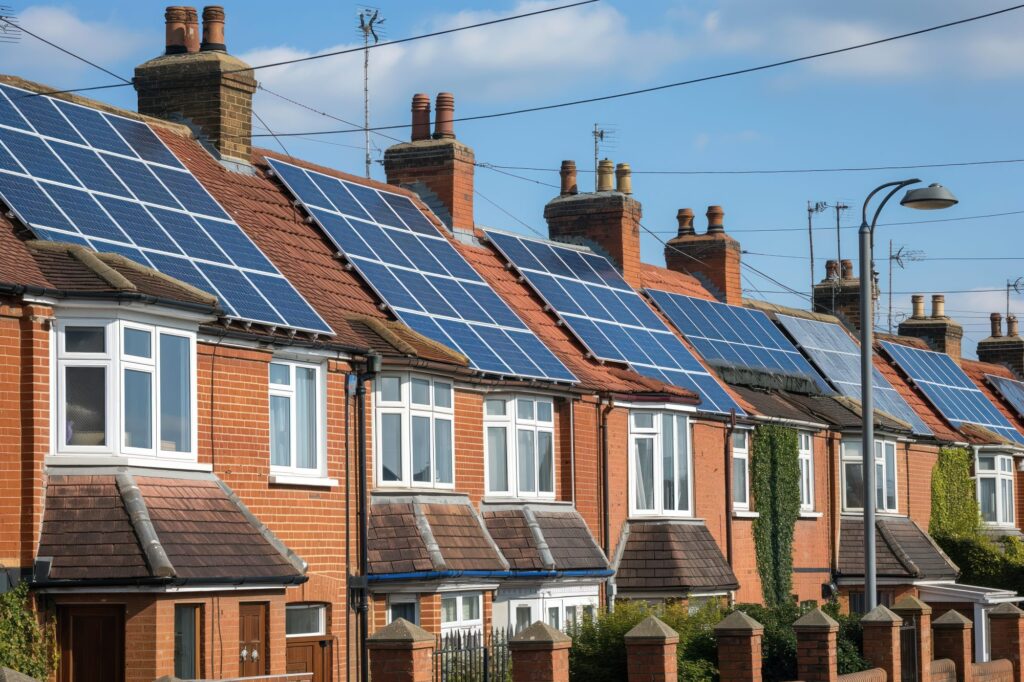
Alongside this, there is a strengthened emphasis on renewable electricity generation, particularly through the integration of solar photovoltaic (PV) systems. Together, these measures aim to reduce carbon emissions, improve energy efficiency, and protect homeowners from the volatility of fossil fuel prices.
Billy Say, Quidos Scheme Manager, commented:
“The implementation of the Future Homes Standard means new homes will be fit for the future. As events of the last month have shown, being overly reliant on fossil fuels and not offsetting our own energy needs with renewables can lead to ever increasing costs. The FHS sets out how we can have warmer, decarbonised homes as we head towards net zero.”
Updates to the Notional Dwelling
The updated Standard also introduces important changes to the ‘notional dwelling’, which serves as the benchmark for assessing the performance of new homes.
Under the new framework, the notional dwelling now includes:
- A heat pump as the default heating system
- Mechanical ventilation as standard
- Air conditioning, where required following a Part O overheating assessment
These updates ensure that the benchmark more accurately reflects the technologies expected to be deployed in compliant new homes.
The Transition from SAP to the Home Energy Model
Alongside the Future Homes Standard, the government has introduced the Home Energy Model (HEM) — a new calculation methodology that will eventually replace SAP.
The HEM is designed to provide a more detailed and flexible approach to energy modelling. Once fully implemented, the HEM:FHS wrapper will process detailed design inputs to generate compliance outputs, including BREL reports.
Interim Compliance Through SAP 10.3
Although the full rollout of HEM:FHS has been delayed, compliance with the Future Homes Standard is available immediately.
In the interim, projects will be assessed using SAP 10.3, an updated version of the existing methodology. This version incorporates:
- The new FHS notional dwelling
- Updated carbon emission factors
- Revised primary energy calculations aligned with the future HEM approach
David Jones, Quidos Energy Calculation Lead, said:
“Whilst disappointing that HEM:FHS has been delayed, it shows the resilience of the existing SAP methodology that it is able to provide comparable compliance outcomes for DESNZ and MHCLG to be confident in using SAP 10.3 to support the Future Homes Standard.”
Supporting Industry Transition
To support a smooth transition for industry professionals, SAP 10.3 calculations will be available through an updated version of JPA Designer 10. This update will go live following formal approval from the Government.
This ensures that developers, assessors, and consultants can continue to deliver compliant projects without disruption while preparing for the future adoption of the Home Energy Model.
Looking Ahead
The introduction of the Future Homes Standard represents a pivotal moment for the built environment sector. By mandating low-carbon technologies and modernising compliance methodologies, it sets a clear direction for delivering warmer, more energy-efficient, and future-ready homes.
While some elements – such as the full implementation of HEM – are still to come, the pathway is now firmly established. For housing providers, developers, and energy professionals, the focus now shifts to adapting processes, upskilling teams, and embracing the opportunities presented by a low-carbon future